Quirky Habits of Smart People
Beyond the Textbook: 10 Quirky Habits of Smart People
Psychology reveals some surprising habits linked to high intelligence:
1. Curiosity: The Cornerstone of a Smart Mind
Psychologists point to curiosity as a key trait of intelligent people. Here's why:
- Insatiable Desire for Knowledge: Smart people have a never-ending thirst to learn and explore. They ask questions, delve deeper, and crave new information.
- Constant Learning: Curiosity fuels a lifelong pursuit of knowledge. They actively seek opportunities to expand their understanding of the world.
Being curious isn't just a character trait; it's a driving force for intellectual growth.

2. Sharpen Your Mind: Become a Keen Observer
Psychology reveals a surprising habit of intelligent people: observing the world. Here's the benefit:
- Information Gathering: Smart people excel at absorbing information from their surroundings. They notice details, patterns, and connections others might miss.
- Understanding the Bigger Picture: By observing, they can analyze situations, predict outcomes, and make informed decisions.
Keen observation skills are a superpower for intelligent people, enriching their understanding of the world.
3. Talk to Themselves: Thinking out loudy
The Power of Quiet: Why Smart People Embrace Solitude
Intelligent people often enjoy solitude. Here's why:
- Deep Thinking: Quiet time allows for focused concentration and uninterrupted reflection. It's prime time for deep thinking and creative breakthroughs.
- Mental Recharge: Solitude provides a mental escape from the busyness of life, allowing for rejuvenation and a boost in cognitive function.
Embracing solitude isn't isolation; it's a strategic tool for intelligent people to recharge and unleash their full potential.
4. Night Owls Take Flight: Are Late Nights a Sign of Intelligence?
Psychology sheds light on night owl tendencies linked to intelligence:
- Optimal Performance Hours: Some highly intelligent people function better at night. They prefer the quiet and fewer distractions of the late hours.
- Focus & Creativity: The stillness of the night can enhance concentration and spark creative thinking for night owls.
Being a night owl doesn't guarantee genius, but some intelligent people thrive in the quiet power of late nights.
5. Don't Fear Falling: Why Smart People Embrace Failure
Failure is often seen as a setback, but psychology reveals intelligent people view it differently:
- Learning Opportunities: Setbacks become valuable lessons. Smart people analyze their mistakes and use them to improve their skills and strategies.
- Resilience & Growth: Bouncing back from failure builds resilience and fosters a growth mindset, leading to future success.
- Fearless Experimentation: The fear of failure can stifle creativity. Embracing it allows for bold experimentation and taking calculated risks.
Intelligent people understand that failure is inevitable, but it's the lessons learned that propel them forward.
6. Open Mindedness: The Hallmark of a Smart Mind
According to psychology, truly intelligent people are open to new ideas. Here's why:
- Flexible Thinking: They are adaptable thinkers, willing to consider new perspectives and challenge their own assumptions.
- Lifelong Learning: Staying open to new ideas allows for continuous learning and growth throughout life.
- Embracing Innovation: Being open fosters a creative environment where new ideas and solutions can flourish.
A closed mind limits your potential. Openness to new ideas is a key trait of intelligent people.
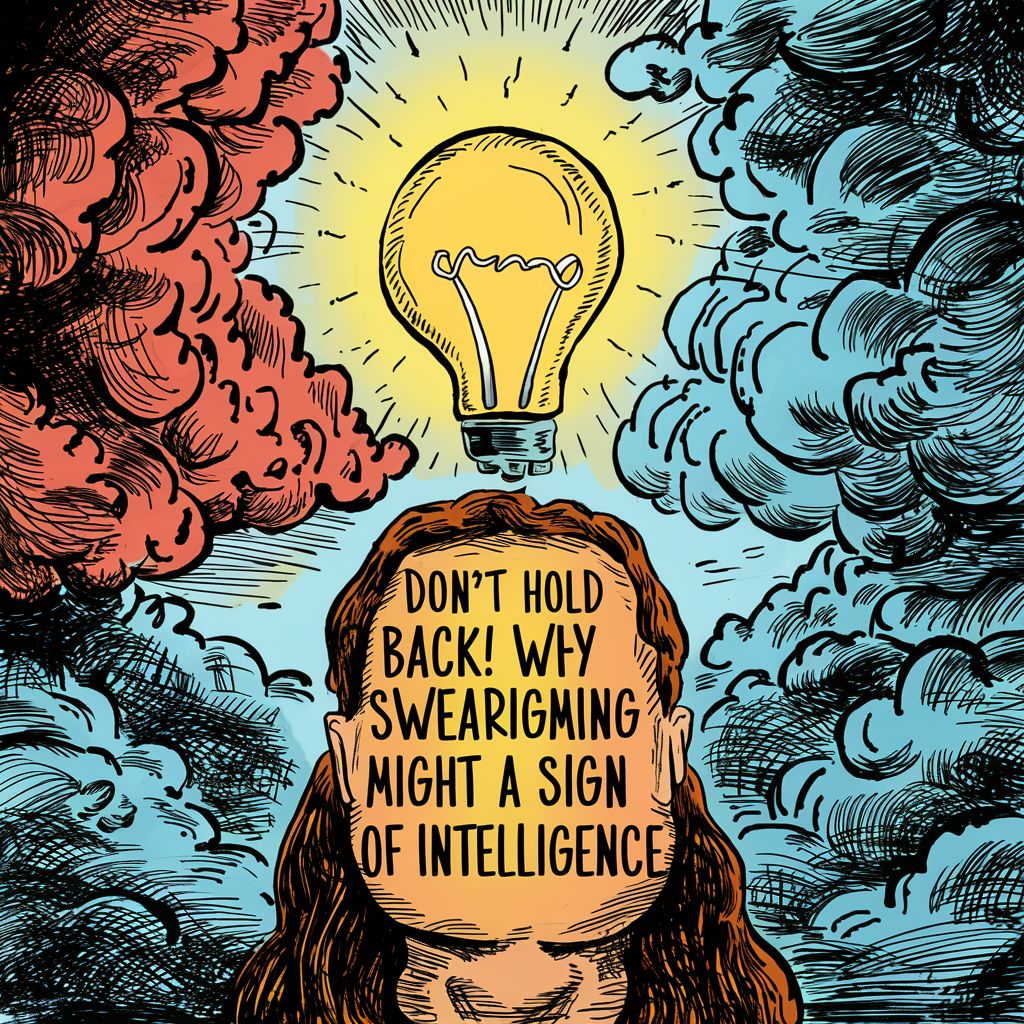
7. Don't Hold Back! Why Swearing Might Be a Sign of Intelligence (According to Psychology)
Surprise! Psychology suggests a link between intelligence and using curse words. Here's the twist:
- Wider Vocabulary: People with a broader vocabulary, including informal language, may possess sharper minds.
- Expressive Power: Curse words can act as powerful emotional outlets, aiding in pain tolerance and even boosting creativity.
- Fluency & Flexibility: Studies suggest swearing may indicate greater verbal fluency and the ability to think on your feet.
Important Note: This doesn't mean constantly swearing makes you a genius. However, a rich vocabulary, including informal language, might be a sign of a quick and adaptable mind.
8. Embrace the Giggles: Why Smart People Aren't Afraid to Be Silly
Psychology reveals a surprising link between intelligence and silliness. Here's the benefit:
- Sparks Creativity: Humor and playfulness can ignite creative thinking and lead to innovative solutions to problems. Stepping outside the box allows for fresh perspectives.
- Problem-Solving Through Fun: A playful approach can help break down complex problems and make them more manageable. Laughter can even boost brain function.
- Stress Relief & Mental Agility: Silliness can be a powerful stress reliever, promoting mental well-being and cognitive flexibility.
Intelligent people understand that a little silliness goes a long way in boosting creativity, problem-solving, and overall mental well-being.

9. Craving Quiet Time? You Might Be Smarter Than You Think
Psychology reveals the value of alone time for intelligent people:
- Introspection & Reflection: Quiet time allows for deep thinking, self-reflection, and processing information effectively.
- Idea Incubation: Solitude provides a space for creativity to flourish and new ideas to develop without distractions.
- Mental Recharge: Introverts and some intelligent people recharge their mental batteries during alone time, returning to social settings feeling refreshed and focused.
Valuing alone time isn't anti-social; it's a strategic tool for intelligent people to fuel their mental well-being and unleash their full potential.

10. Bleep! Don't Censor Yourself: Why Swearing Might Be Smart (According to Psychology)
Forget the stereotypes! Psychology suggests swearing could be a sign of a sharp mind:
- Vocabulary Powerhouse: People with a vast vocabulary, including informal language (curse words!), might be more intelligent.
- Emotional Release Valve: Swearing can be a powerful way to express strong emotions, even boosting pain tolerance and creativity.
- Verbal Agility: Studies suggest swearing might indicate greater fluency with language and the ability to think quickly on your feet.
Key takeaway: While constant swearing isn't a genius badge, a rich vocabulary, including informal language, might be a sign of a quick and adaptable mind.